
10 Ways to Reduce Electricity Bills and Save Energy
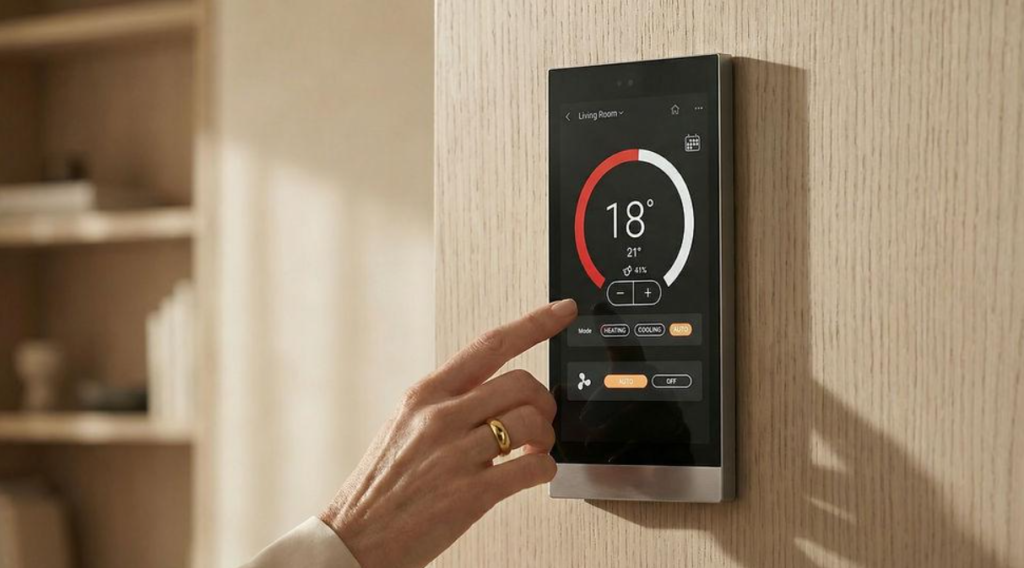
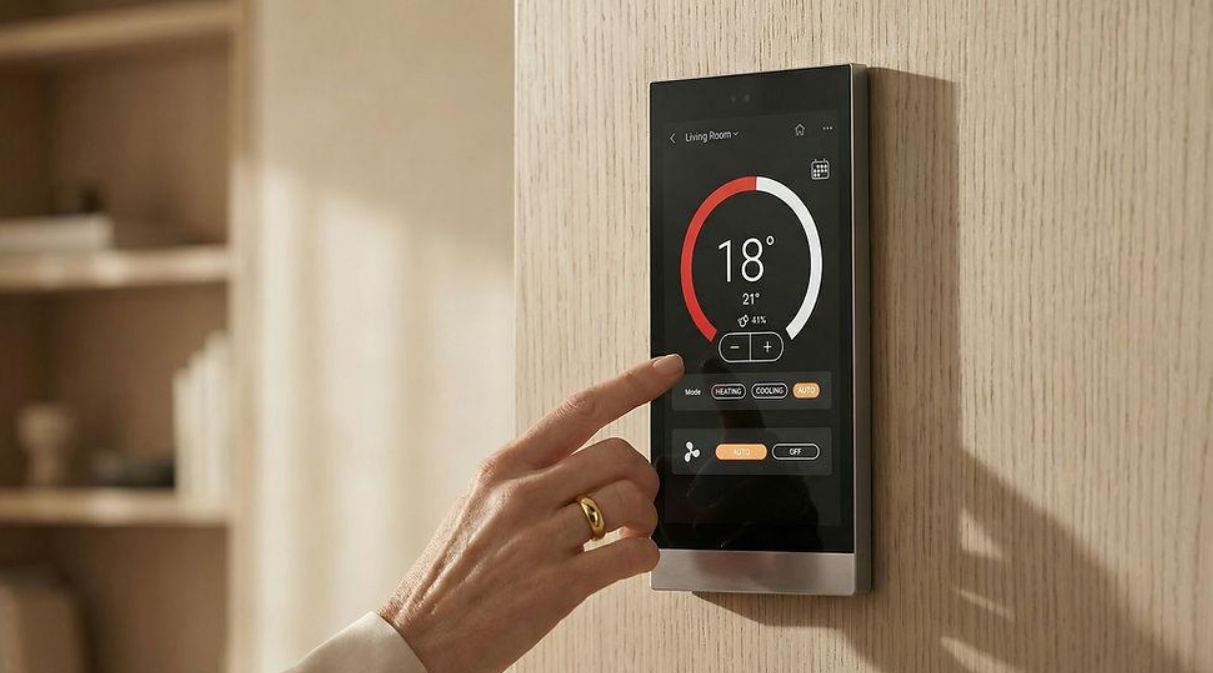
Electricity bills can take a significant portion of a household’s monthly budget. From air conditioners and refrigerators to lighting and everyday electronics, many devices consume electricity throughout the day. The good news is that reducing your electricity bill does not always require expensive upgrades or major lifestyle changes.
Small improvements in how you use electricity can help lower energy consumption while keeping your home comfortable.
Whether you want to control your monthly expenses or make your home more energy-efficient, these 10 practical ways to reduce electricity bills can help you get started.
Ways to reduce Electricity bills.
Following are the ways that helps you to reduce the bill
1. Use Air Conditioning More Efficiently
Air conditioners are among the major electricity-consuming appliances in many homes, particularly during hot weather.
Using your AC efficiently can make a noticeable difference to your energy consumption.
Try these simple habits:
- Set the temperature to a comfortable level instead of unnecessarily low settings.
- Keep doors and windows closed while the AC is running.
- Clean or replace air filters regularly according to the manufacturer’s instructions.
- Use ceiling fans to improve air circulation.
- Switch off the AC when cooling is no longer needed.
An inverter AC can also help manage electricity consumption by adjusting compressor speed according to cooling demand. However, actual savings depend on the model, room conditions and usage habits.
2. Replace Traditional Bulbs With LED Lighting
Lighting is another area where households can reduce electricity consumption.
Traditional incandescent bulbs convert much of their energy into heat, whereas LED bulbs provide similar brightness using considerably less electricity.
Consider replacing frequently used traditional bulbs with energy-efficient LEDs.
For better results:
- Choose LED bulbs with suitable brightness for each room.
- Switch off lights when leaving a room.
- Use natural daylight whenever possible.
- Avoid installing unnecessarily bright lights in small spaces.
LED lighting is a relatively simple improvement that can provide long-term energy savings.
3. Switch Off Appliances When Not in Use
Some electronic devices continue consuming electricity even when they are not actively being used. This is commonly known as standby or phantom power consumption.
Examples may include:
- Televisions
- Gaming consoles
- Desktop computers
- Chargers
- Entertainment systems
- Certain kitchen appliances
Switch off devices completely when practical. You can also use a properly rated power strip to disconnect several compatible devices together.
Always follow the manufacturer’s safety instructions and avoid overloading electrical outlets.
4. Choose Energy-Efficient Appliances
When purchasing a new appliance, consider its energy efficiency rather than focusing only on its purchase price.
An efficient refrigerator, washing machine or air conditioner may cost more initially but can use less electricity over its lifetime.
Before buying an appliance:
- Compare energy ratings and labels.
- Check annual electricity consumption where available.
- Select a suitable size for your household.
- Compare the efficiency of similar models.
- Consider long-term operating costs.
A useful way to evaluate an appliance is to estimate its electricity consumption over a typical month.
5. Improve Your Home’s Insulation
Poor insulation allows heat to enter or escape your home more easily. This can increase the amount of work required from heating and cooling systems.
You can improve your home’s efficiency through relatively simple changes:
- Seal gaps around doors and windows.
- Use curtains or blinds to reduce direct sunlight.
- Close curtains during particularly hot afternoons.
- Improve roof insulation where practical.
- Use weatherstripping around poorly sealed windows and doors.
These improvements can help maintain indoor temperatures and reduce unnecessary heating or cooling.
6. Use Washing Machines Efficiently
Washing machines can consume electricity through both motor operation and water heating, depending on the model and selected cycle.
To use your washing machine more efficiently:
- Run full loads when appropriate.
- Avoid unnecessary washing cycles.
- Use cold-water settings when suitable for the clothes.
- Select an appropriate cycle for each load.
- Clean the machine according to its maintenance instructions.
Using cold water where suitable can reduce energy required for heating water.
7. Maintain Your Refrigerator Properly
Refrigerators operate throughout the day, making their efficiency important for household electricity consumption.
Poor maintenance or unsuitable settings can make a refrigerator work harder than necessary.
Follow these tips:
- Keep the refrigerator at the manufacturer’s recommended temperature.
- Avoid placing hot food directly inside.
- Keep door seals clean and check that they close properly.
- Allow sufficient ventilation around the appliance.
- Avoid opening the refrigerator door unnecessarily.
- Remove excessive frost if your model requires manual defrosting.
Also, keep the refrigerator away from direct sunlight and heat-producing appliances where practical.
8. Use Natural Light and Ventilation
Making better use of natural resources can reduce your dependence on electrical lighting and cooling.
During daylight hours, open curtains and blinds to allow natural light into suitable rooms.
You can also improve ventilation by opening windows when outdoor conditions are comfortable and safe.
Some useful ideas include:
- Arrange workspaces near windows.
- Use light-colored curtains to brighten rooms.
- Keep windows clear of unnecessary obstructions.
- Use cross-ventilation where the layout allows it.
- Close windows when outdoor temperatures or air quality make this unsuitable.
Natural ventilation is not always a replacement for air conditioning, but it can help reduce unnecessary electricity use in suitable conditions.
9. Monitor Your Electricity Consumption
You cannot manage your electricity consumption effectively without understanding where your energy is going.
Start by checking your electricity meter and monthly bills.
Look for:
- Changes in monthly electricity units.
- Unusually high consumption.
- Appliances that operate for long periods.
- Seasonal increases in electricity use.
- Differences between estimated and actual meter readings.
You can also use an energy calculator to estimate how much electricity individual appliances consume.
For example, if an appliance uses 1,000 watts and operates for 5 hours, its estimated consumption is:
1 kW × 5 hours = 5 kWh
This makes it easier to identify appliances that may contribute significantly to your electricity bill.
10. Build Energy-Saving Habits
Some of the most effective energy-saving improvements come from everyday habits.
Encourage everyone in your household to:
- Turn off unnecessary lights.
- Switch off unused electronics.
- Avoid leaving appliances running unnecessarily.
- Use fans and natural ventilation when suitable.
- Operate appliances with appropriate load sizes.
- Review electricity consumption regularly.
Small actions may seem insignificant individually, but consistently following them can help reduce unnecessary energy consumption over time.
How Much Can You Save by Reducing Electricity Consumption?
Your potential savings depend on your electricity usage, local electricity rates, appliance efficiency and the changes you make.
A simple calculation can help estimate the financial impact.
Electricity cost = Units consumed × Price per unit
For example, suppose you reduce your monthly electricity consumption by 50 kWh and your electricity rate is 40 currency units per kWh.
Your estimated monthly savings would be:
50 × 40 = 2,000 currency units.
This is an illustrative calculation, not a guaranteed saving. Your actual bill may also include taxes, fixed charges and other adjustments.
You can use our Electricity Bill Calculator to estimate your electricity costs based on your own consumption and rate.
Frequently Asked Questions
1. What is the easiest way to reduce electricity bills?
Start by switching off unused appliances, using LED lighting, managing air-conditioning settings and reducing unnecessary electricity consumption.
2. Does switching off appliances save electricity?
Yes. Switching off appliances completely can prevent unnecessary energy use, including standby consumption in devices that draw power while switched off or idle.
3. Do LED bulbs reduce electricity consumption?
Yes. LED bulbs generally use considerably less electricity than traditional incandescent bulbs while providing similar brightness.
4. Does an inverter AC save electricity?
An inverter AC can adjust compressor speed according to cooling demand, potentially improving efficiency. Actual consumption depends on the appliance, room size, temperature settings and usage conditions.
5. How can I check which appliance consumes the most electricity?
Check appliance power ratings, operating hours and energy labels. You can also use a suitable energy-monitoring device or an appliance energy calculator to estimate consumption.
6. Can I reduce my electricity bill without buying new appliances?
Yes. Better usage habits, proper maintenance, switching off unused devices, improving insulation and making better use of natural light can help reduce electricity consumption without replacing existing appliances.
Final Thoughts
Reducing electricity bills does not have to mean sacrificing comfort. By using appliances efficiently, improving lighting, maintaining cooling equipment and monitoring household energy consumption, you can make your home more energy-efficient.
Start with a few simple changes and gradually introduce better habits throughout your home.
Remember, the goal is not simply to use less electricity. It is to use electricity more intelligently.
Explore EnerNest for more practical guides, energy-saving tips and free calculators to help you make smarter decisions at home.
One Comment