LED vs Traditional Light Bulbs: Which Is Better for Your Home?
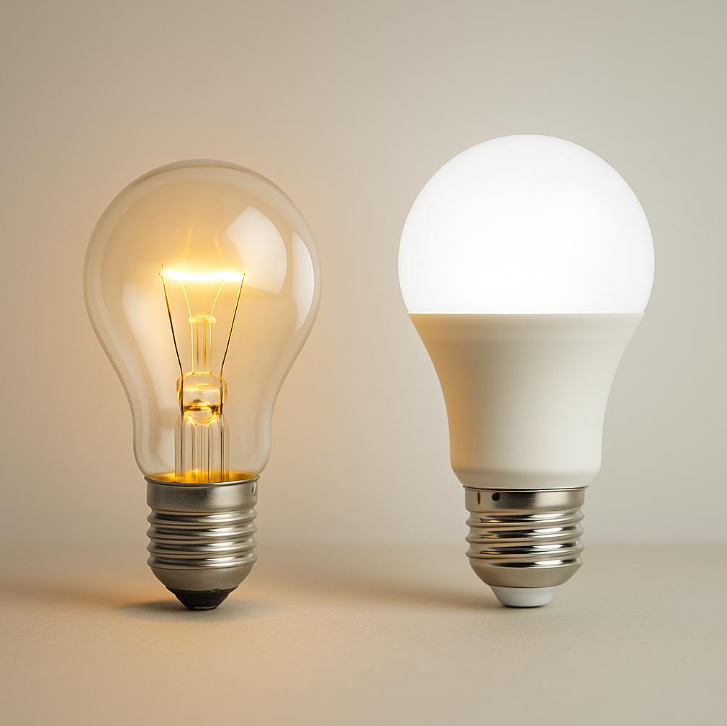
Lighting is an essential part of every home, but the type of light bulbs you use can affect your electricity consumption and household expenses. For many years, traditional incandescent bulbs were common in homes. Today, LED bulbs have become a popular alternative because they use less electricity and generally last much longer.
But are LED bulbs really better than traditional light bulbs? And are they worth the initial purchase cost?
In this guide, we compare LED and traditional incandescent bulbs based on energy consumption, lifespan, brightness, cost and environmental impact.
What Are LED Light Bulbs?
LED stands for Light Emitting Diode. Unlike traditional incandescent bulbs, which produce light by heating a filament, LED bulbs generate light using semiconductor technology.
This allows LEDs to produce light while using considerably less electricity.
Some common advantages of LED bulbs include:
- Lower electricity consumption.
- Longer operating lifespan.
- Less heat generation.
- Different brightness and color options.
- Availability in various shapes and sizes.
LED bulbs are commonly used in bedrooms, kitchens, living rooms, offices and outdoor lighting.
What Are Traditional Incandescent Light Bulbs?
Traditional incandescent bulbs produce light by passing electricity through a thin filament. The filament becomes extremely hot and produces visible light.
Although these bulbs were widely used for decades, much of their electrical energy is released as heat rather than useful light.
Their main characteristics include:
- Usually lower initial purchase prices.
- Warm and familiar light quality.
- Simple operation.
- Higher electricity consumption.
- Shorter operating lifespan.
Incandescent bulbs are still useful as a reference when comparing modern lighting technologies, although they are becoming less common in many markets.
LED vs Traditional Light Bulbs: Key Differences
Here is a general comparison between LED and traditional incandescent bulbs.
| Feature | LED Bulb | Incandescent Bulb |
|---|---|---|
| Electricity use | Low | High |
| Lifespan | Often 15,000–25,000 hours or more | Around 750–1,000 hours |
| Heat generation | Relatively low | High |
| Energy efficiency | High | Low |
| Initial cost | Usually higher | Usually lower |
| Maintenance | Less frequent replacement | More frequent replacement |
| Brightness options | Many | Available in different wattages |
| Dimming | Depends on model | Generally straightforward |
Actual performance depends on the bulb’s specifications and quality. Always check the manufacturer’s information before purchasing.
1. Electricity Consumption: Which Uses Less Energy?
One of the biggest differences between LED and incandescent bulbs is electricity consumption.
An LED bulb can produce approximately the same brightness as an incandescent bulb while using significantly fewer watts.
For example, a typical 9-watt LED bulb can provide brightness similar to a 60-watt incandescent bulb.
Let’s compare their estimated electricity consumption.
| Bulb Type | Power | Electricity Used in 5 Hours |
|---|---|---|
| LED | 9 watts | 0.045 kWh |
| Incandescent | 60 watts | 0.30 kWh |
The LED bulb uses approximately 85% less electricity in this example.
To calculate electricity consumption, use this formula:
Electricity Used (kWh) = Power (watts) × Hours ÷ 1,000
This makes it easy to estimate how much electricity your lighting consumes each day.
2. Lifespan: Which Bulb Lasts Longer?
Another important difference is how long each bulb lasts.
LED bulbs generally have a much longer rated lifespan than traditional incandescent bulbs.
For example:
- A typical LED bulb may be rated for 15,000–25,000 hours or more.
- A traditional incandescent bulb may last approximately 750–1,000 hours.
If a bulb operates for five hours every day, a 15,000-hour LED could theoretically last more than eight years.
However, actual lifespan depends on product quality, operating temperature, electrical conditions and usage.
A longer lifespan means fewer replacements and less maintenance over time.
3. Brightness: Are LED Bulbs as Bright?
Yes. LED bulbs can provide the same brightness as traditional bulbs while consuming less electricity.
However, brightness should be compared using lumens rather than watts.
Watts measure electrical power consumption, while lumens measure the amount of visible light produced.
For example:
- Around 800 lumens: Similar brightness to a traditional 60-watt incandescent bulb.
- Around 1,100 lumens: Similar brightness to a traditional 75-watt incandescent bulb.
- Around 1,600 lumens: Similar brightness to a traditional 100-watt incandescent bulb.
These are approximate comparisons. Actual brightness varies between products.
When shopping for LED bulbs, check the lumen rating to choose the right brightness for each room.
4. Cost Comparison: Are LED Bulbs Worth Buying?
LED bulbs usually cost more upfront than traditional incandescent bulbs. However, they can save money through lower electricity consumption and fewer replacements.
Let’s consider a simple example.
Assume:
- LED bulb power: 9 watts.
- Incandescent bulb power: 60 watts.
- Daily usage: 5 hours.
- Electricity price: PKR 50 per kWh (illustrative).
- Comparison period: 1 year.
LED bulb electricity cost:
9 × 5 × 365 ÷ 1,000 = 16.425 kWh
16.425 × 50 = PKR 821.25
Incandescent bulb electricity cost:
60 × 5 × 365 ÷ 1,000 = 109.5 kWh
109.5 × 50 = PKR 5,475
In this example, the LED bulb saves approximately PKR 4,654 in electricity costs over one year.
This calculation excludes bulb purchase prices, replacement costs, taxes and other electricity bill adjustments. Your actual savings will depend on your electricity tariff and usage.
5. Environmental Impact
LED bulbs can also reduce the environmental impact associated with household lighting.
Because they use less electricity to provide similar brightness, they can help reduce electricity demand.
Their longer lifespan also means fewer bulbs need to be manufactured, transported and replaced over time.
Traditional incandescent bulbs consume more electricity and produce more heat during operation.
Choosing efficient lighting is one practical step towards reducing unnecessary household energy consumption.
6. Which LED Bulb Should You Choose?
Not all LED bulbs are the same. Before buying one, consider these factors:
Brightness
Check the lumen rating rather than choosing a bulb based only on wattage.
Colour Temperature
LED bulbs are available in different colour temperatures:
- Warm white: Creates a comfortable and relaxing atmosphere.
- Neutral white: Provides balanced everyday lighting.
- Cool white: Produces a brighter, more daylight-like appearance.
Energy Efficiency
Choose bulbs with reliable energy-efficiency information and appropriate power ratings.
Compatibility
Check the bulb base, voltage, fixture size and dimmer compatibility.
Product Quality
Choose reputable manufacturers and check product warranties and safety certifications where available.
7. Where Should You Use LED Bulbs?
LED bulbs are suitable for most household lighting applications.
Here are some examples:
- Bedrooms: Warm white LEDs can create a comfortable atmosphere.
- Kitchens: Brighter neutral or cool white lighting can help with everyday tasks.
- Living rooms: Dimmable LEDs offer flexibility for different activities.
- Bathrooms: Select bulbs suitable for the fixture and moisture conditions.
- Outdoor areas: Choose weather-rated fixtures and bulbs designed for outdoor use.
Always follow the manufacturer’s installation and safety instructions.
Frequently Asked Questions
1. Do LED bulbs use less electricity than traditional bulbs?
Yes. LED bulbs generally use considerably less electricity than incandescent bulbs to provide similar brightness.
2. How much can LED bulbs save on electricity bills?
Savings depend on the bulb’s wattage, operating hours and electricity price. Replacing a 60-watt incandescent bulb with a similar-brightness 9-watt LED can reduce the bulb’s electricity consumption by approximately 85%.
3. Do LED bulbs last longer?
Yes. Many LED bulbs have rated lifespans of 15,000–25,000 hours or more, compared with approximately 750–1,000 hours for traditional incandescent bulbs.
4. Are LED bulbs brighter than traditional bulbs?
They can provide similar or greater brightness while consuming less electricity. Compare lumens to determine brightness.
5. Are LED bulbs more expensive?
LED bulbs generally have a higher initial purchase price. However, lower electricity consumption and fewer replacements can make them more economical over time.
6. Can LED bulbs reduce household electricity bills?
Yes. Replacing frequently used incandescent bulbs with efficient LEDs can reduce lighting-related electricity consumption. The overall impact depends on how many bulbs you replace and how often you use them.
Final Thoughts
LED bulbs are generally a better choice than traditional incandescent bulbs for modern homes. They consume less electricity, produce less heat and typically last much longer.
Although their initial purchase price may be higher, the long-term savings can make them a worthwhile investment.
If you are looking for a simple way to improve household energy efficiency, replacing frequently used traditional bulbs with quality LED alternatives is a practical place to start.
Small improvements in everyday energy use can make a meaningful difference over time. Follow EnerNest for more practical home efficiency and electricity-saving guides.